
Zoo-ly App Design
Overview
A mobile app extending the zoo experience
Background
Seneca Zoo is a beloved destination among Rochester locals, yet it often goes unnoticed by newcomers to the area. This project aims to expand the zoo’s reach and attract a broader audience. Located in Seneca Park, Seneca Zoo already has strong local engagement. By developing a social media app centered on the zoo’s animals, the project encourages increased awareness and inspires more casual and repeat visits.
Timeline
1 Month
Tools
- Figma
- After Effects
- Illustrator
Deliverable
- Mobile Application
- User Flow Prototype
Challenge
Drive greater engagement and sustained interest in the Rochester Zoo using digital platforms

Goals
Justify the product being an app
Encourage returning users
Support educational opportunities
Extend the zoo experience digitally
Research
Seneca Park Zoo
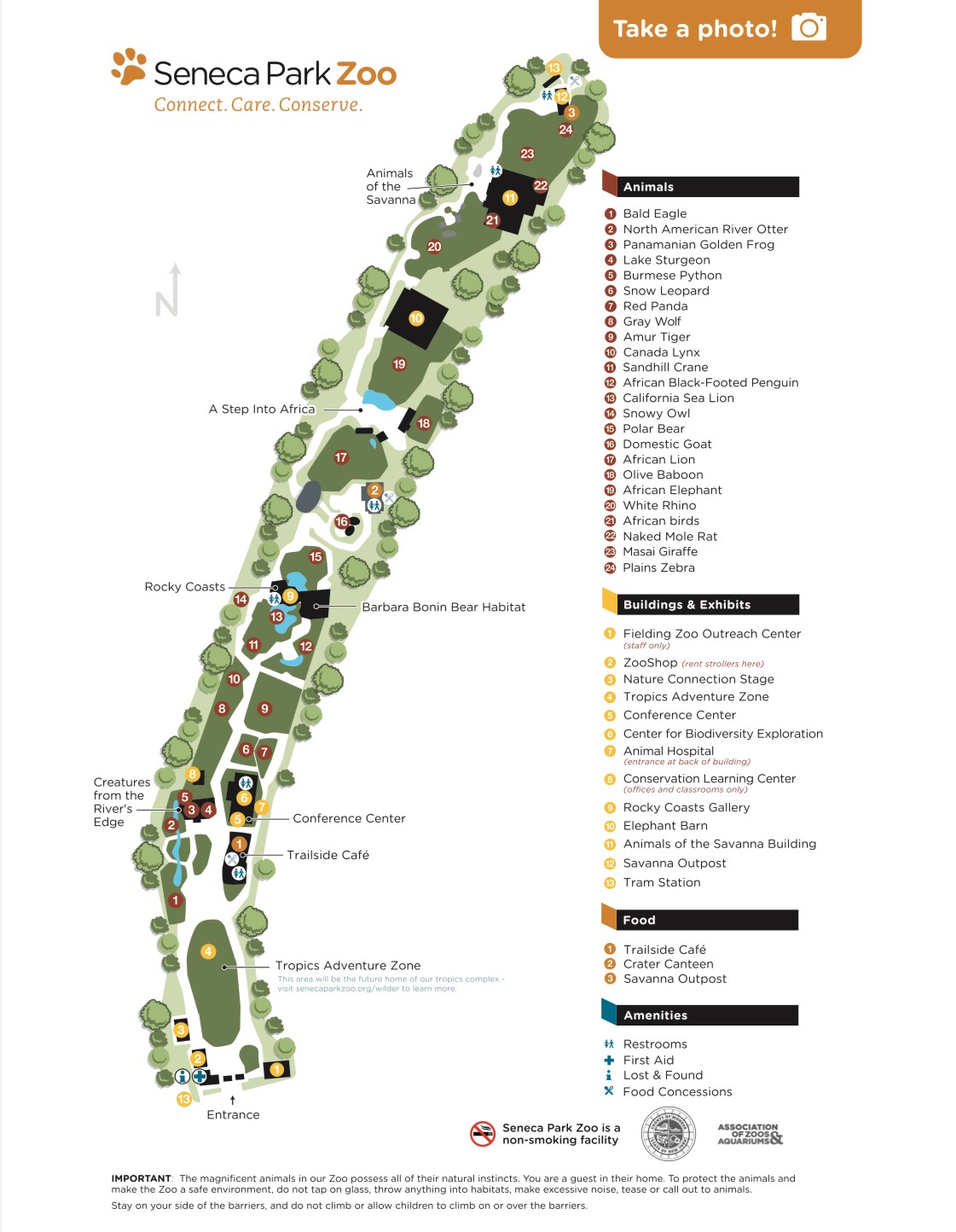
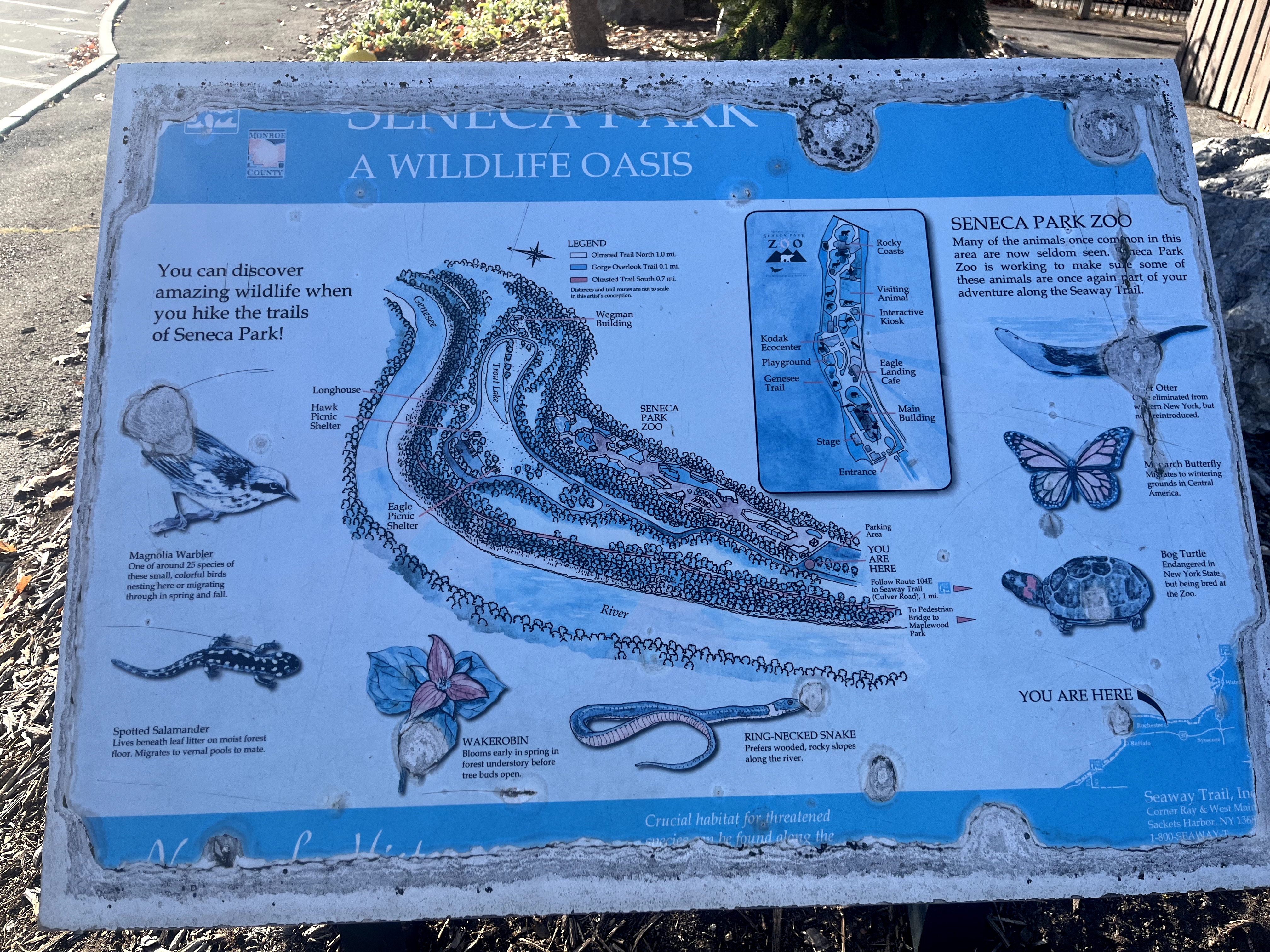
Seneca Park Zoo in Rochester sits within historic Seneca Park, a popular spot for nature lovers. During my visit, I noticed limited digital engagement beyond the website. My project focuses on creating a member-based app to encourage visits and highlight the zoo’s conservation efforts.
Comparative Analysis
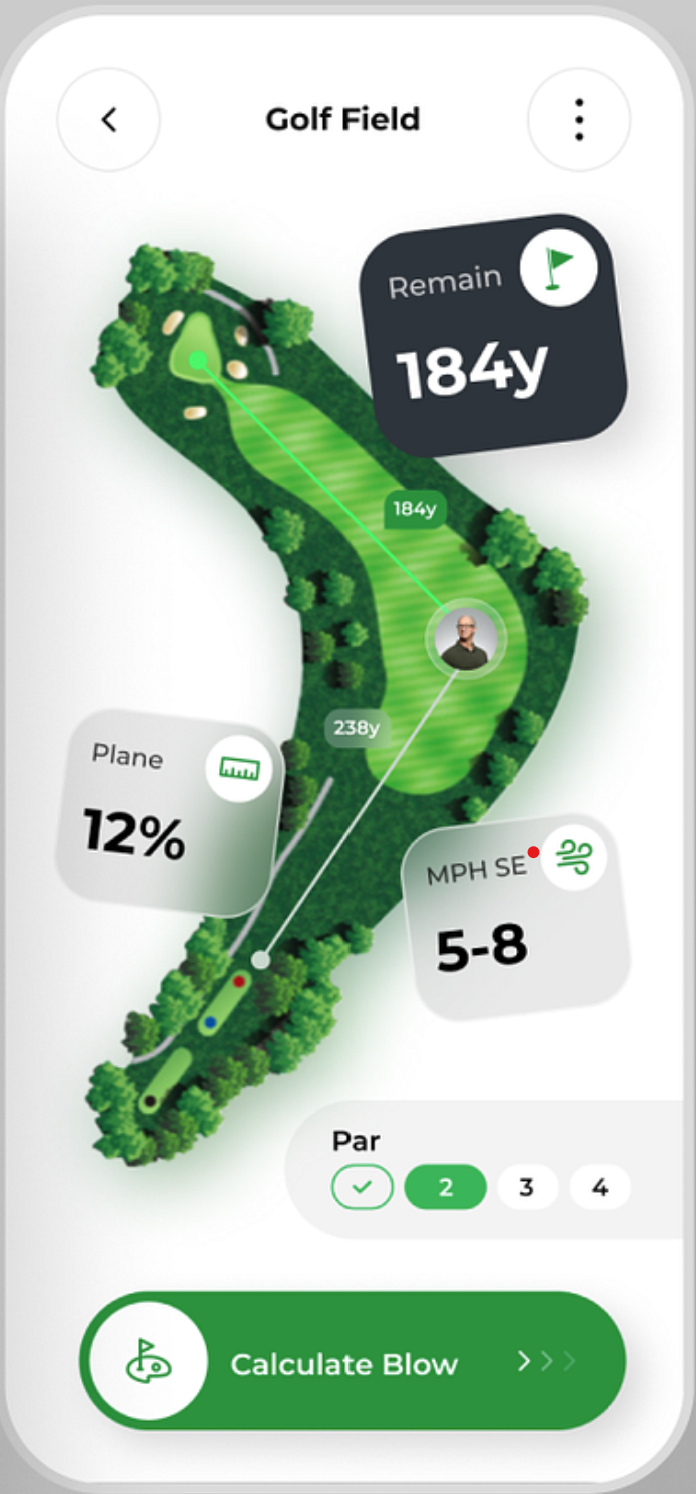
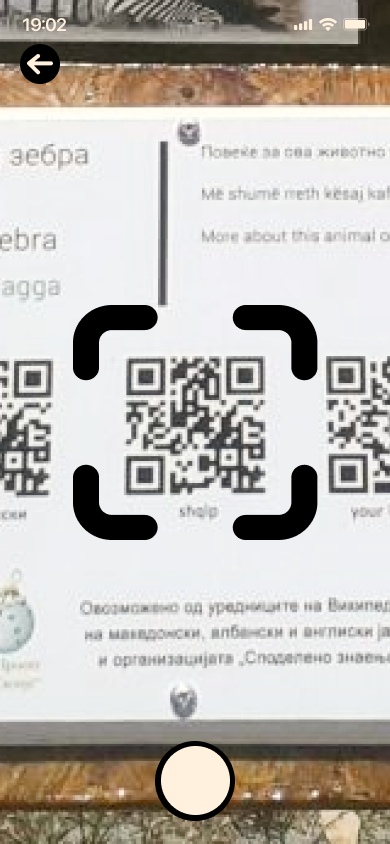
Create an interactive map of the zoo to guide the user to the animal.

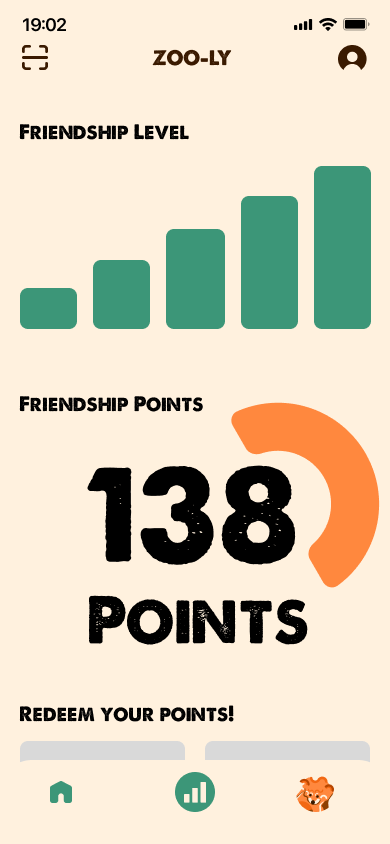
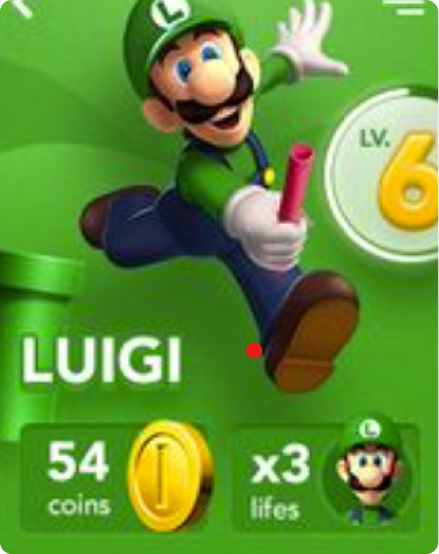
Have the animals shown as “avatars” that the user can track the metrics of.
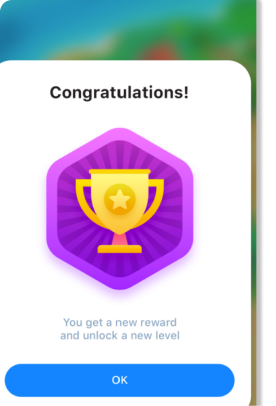
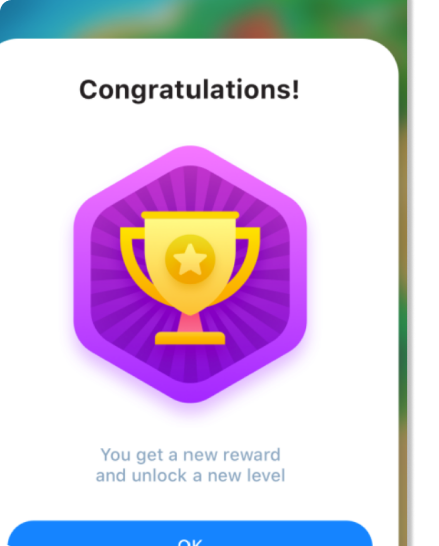
Include gamification to encourage the user to return to the app. Have a membership.
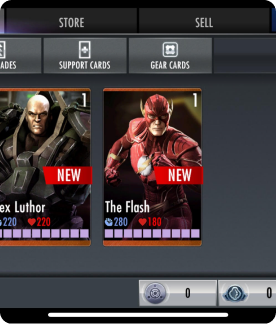
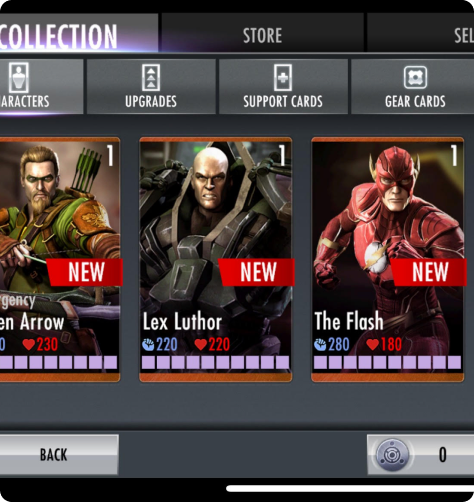
In future, the user can take care of multiple animals. I appreciate the layout of showing characters in a card-like structure.
User Personas
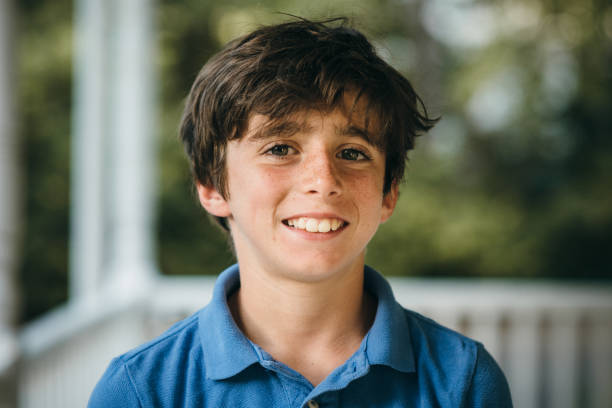
Adventurous Kid
Age 9
Student
Goals
- See and pet animals
- Get something from the gift shop
- Stay at the zoo for a long time
About
Finley loves learning new things and being in the moment. He loves his iPad but enjoys running around outside and exploring new places. He uses his daily apps, but cannot navigate new things quickly.
Priorities
Fun
Animals
Toys
Values
Creativity
Convenience
Education
Media Consumption





Outdoor Enthusiast
Age 27
Auditor
Goals
- Get her steps in!
- Go on a walk everyday at Seneca Park
- Leave work at work
About
Chelsea is an outdoor enthusiast who looks forward to her daily walk in Seneca Park. She enjoys activities that benefit both herself and others, seeking new experiences to balance her sedentary office job. She loves documenting her life through social media and blogs.
Priorities
Free-Time
Nature
Connecting
Values
Creativity
Convenience
Education
Media Consumption





Fun Parent
Age 45
Photographer
Goals
- Make his kid happy
- Get his kid off the iPad
- Heal his inner child
About
Ron is a young, single parent who loves his job for the time it allows him to spend with his child. He captures moments of his kid's life through photography and is always working to grow his brand while striving to maintain a balance for his personal life.
Priorities
Family
Work
Self-Growth
Values
Creativity
Convenience
Education
Media Consumption




Main User Journey
Scenario
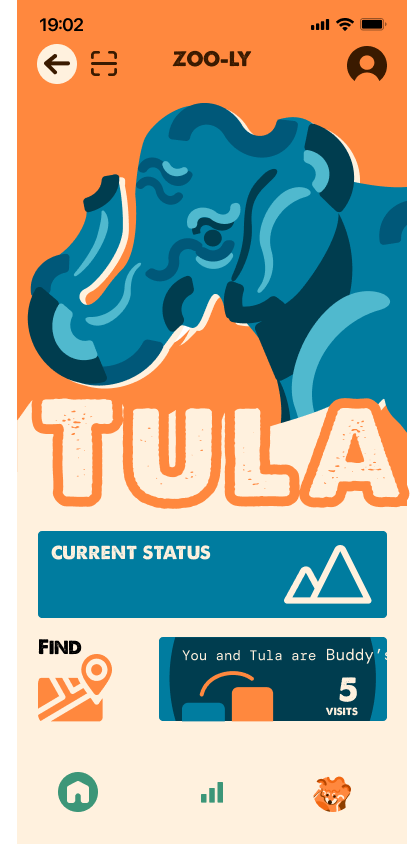
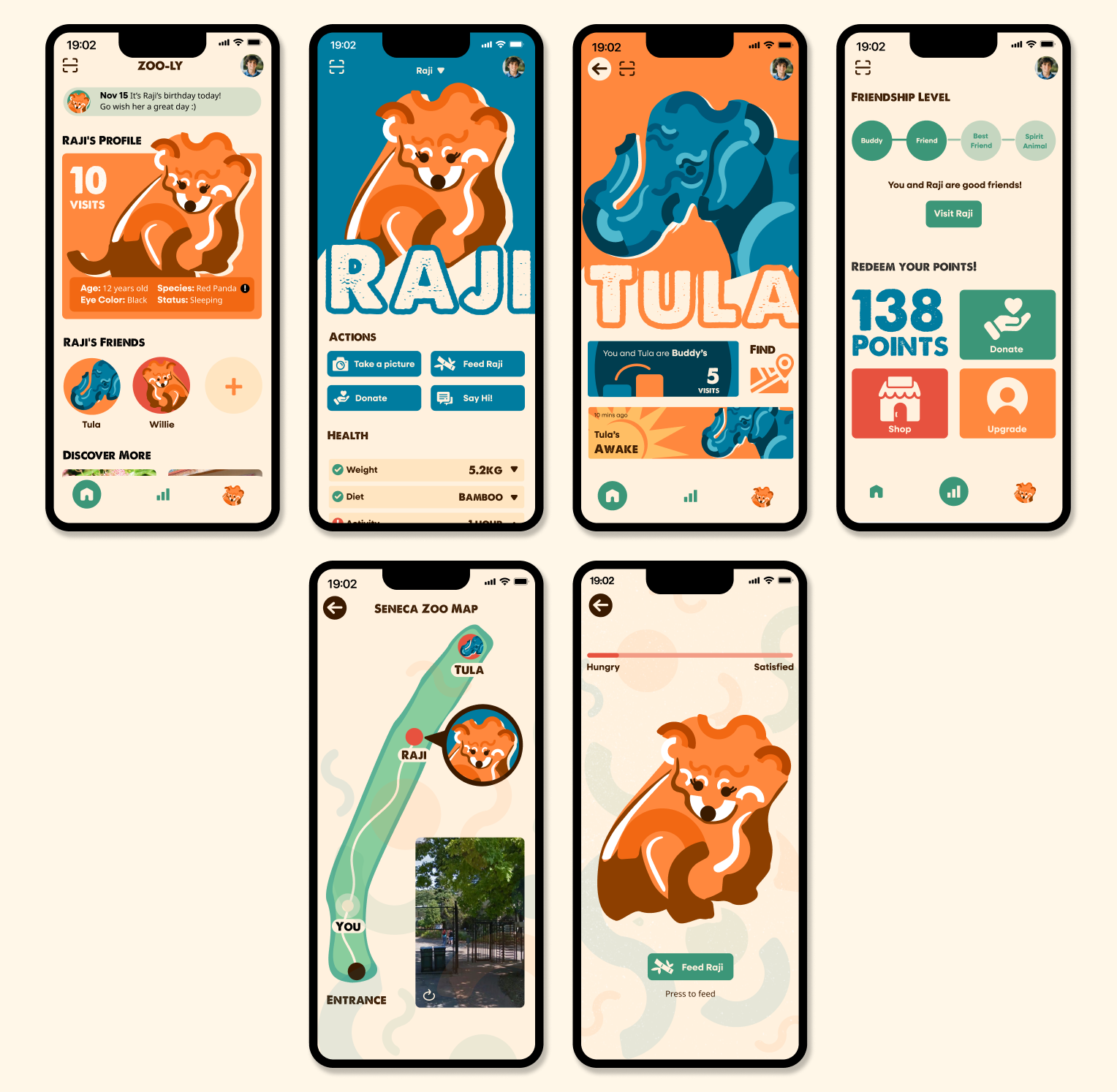
Finley visits the zoo on a school field trip and is captivated by Raji, a playful Red Panda. Excited to learn more, he downloads Zoo-ly. Through the app, Finley follows Raji’s updates, like his eating habits and daily activities, and feels a growing connection to his new favorite animal.
Design Process
Starting to Design...
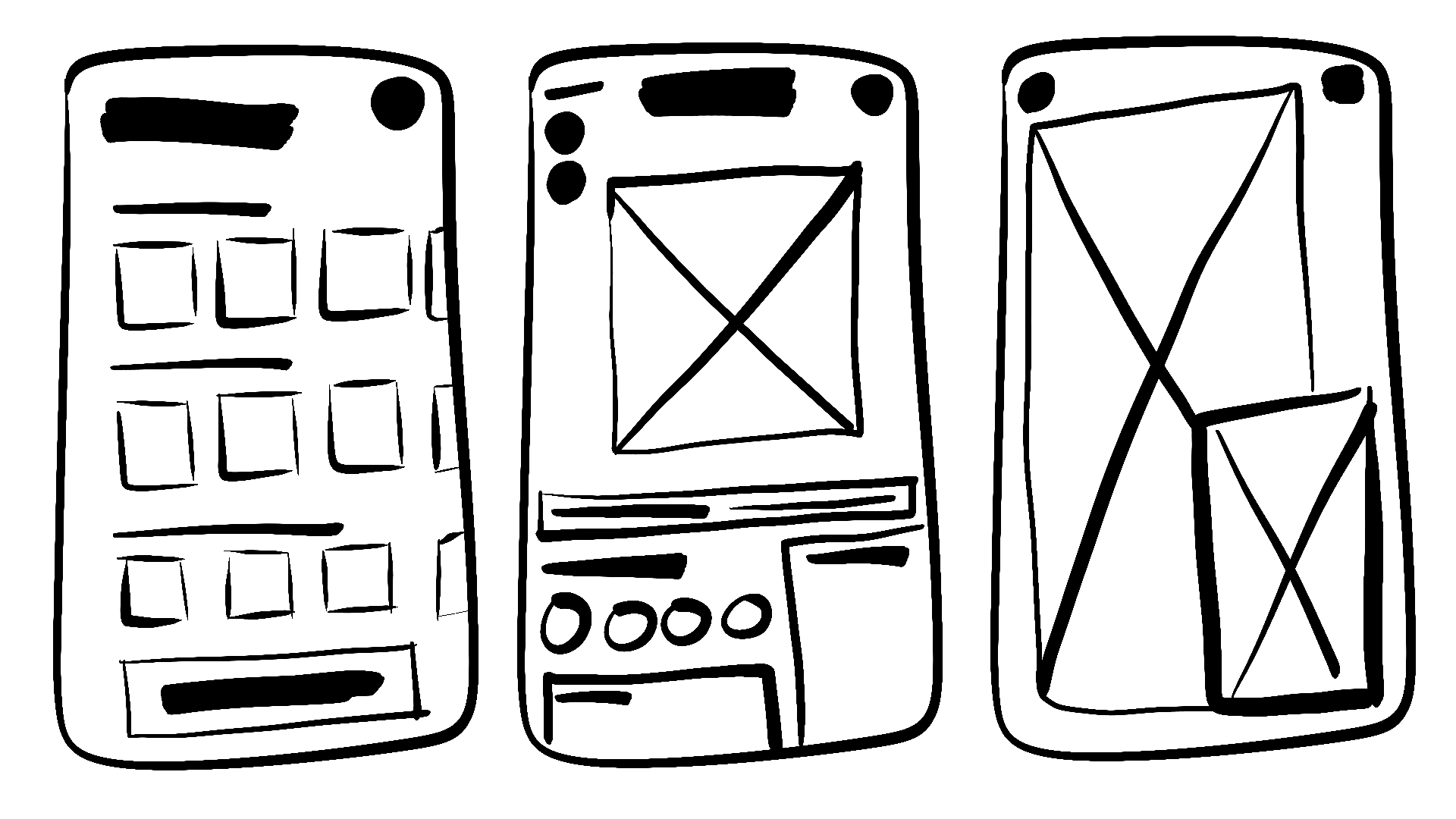
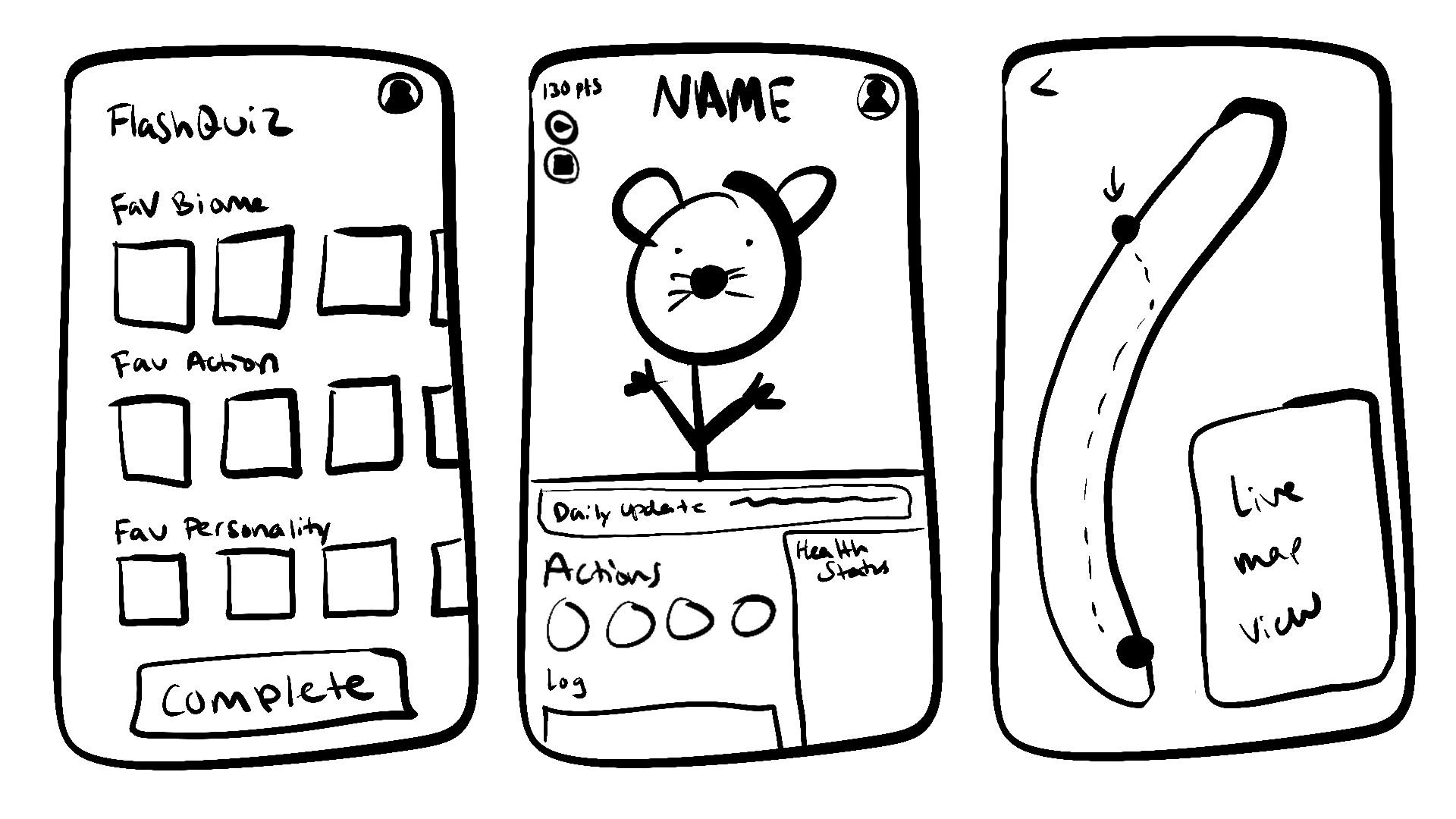
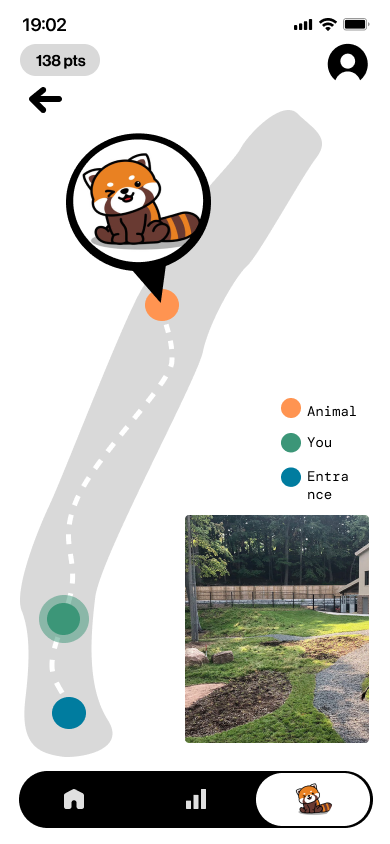
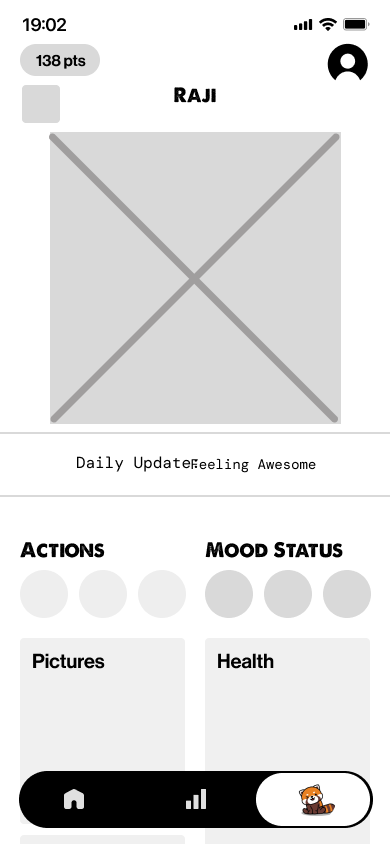
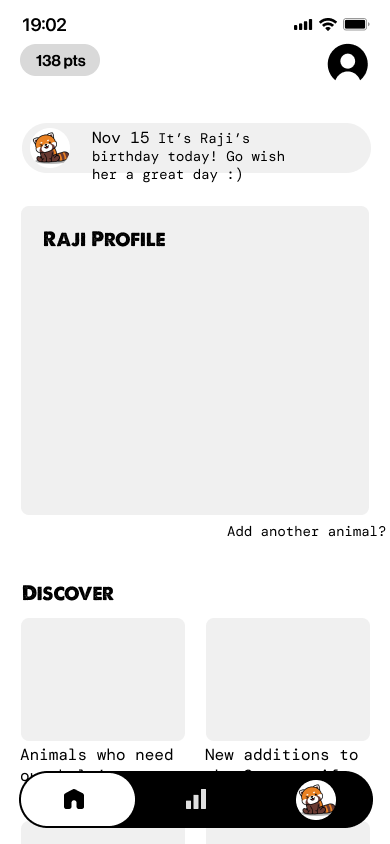
A big factor of this project was to appeal to a younger audience through illustrations
Visual Identity
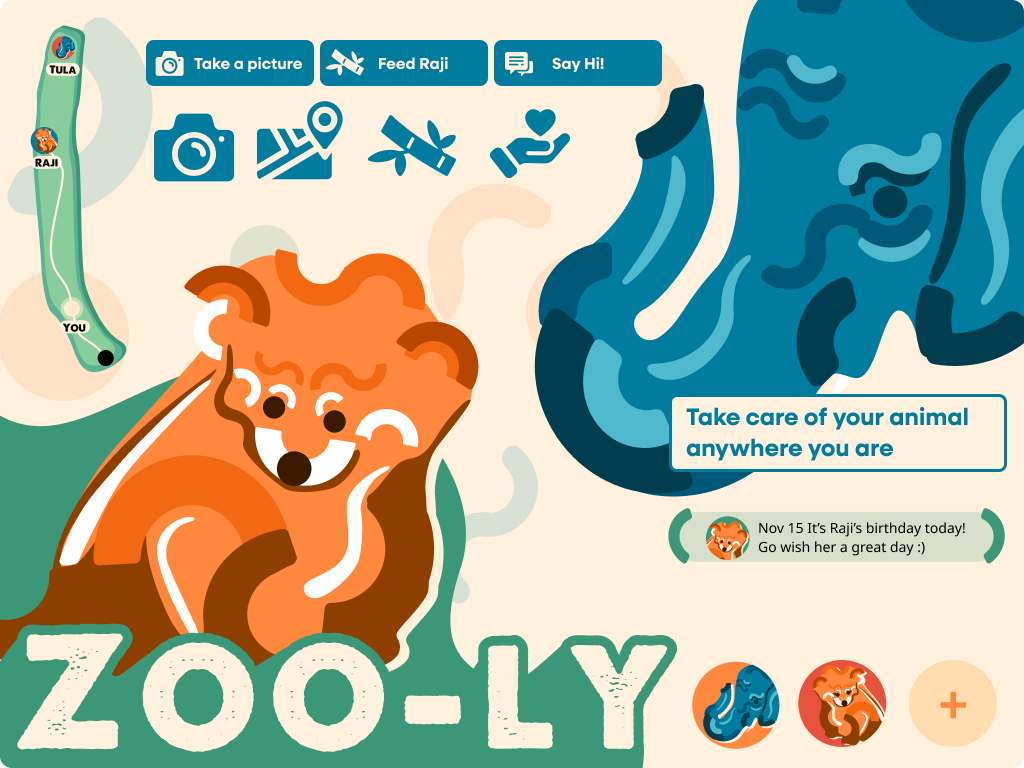
Iterations
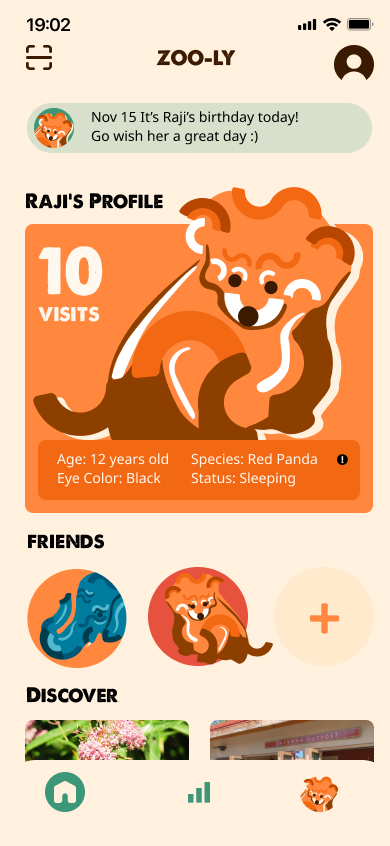
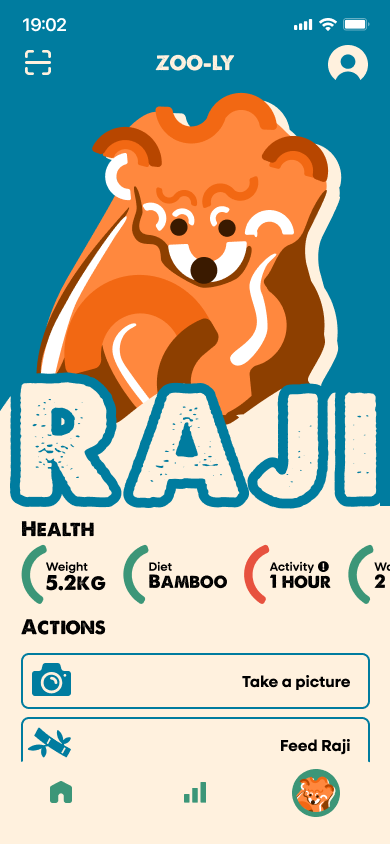
Addressing accessibility concerns
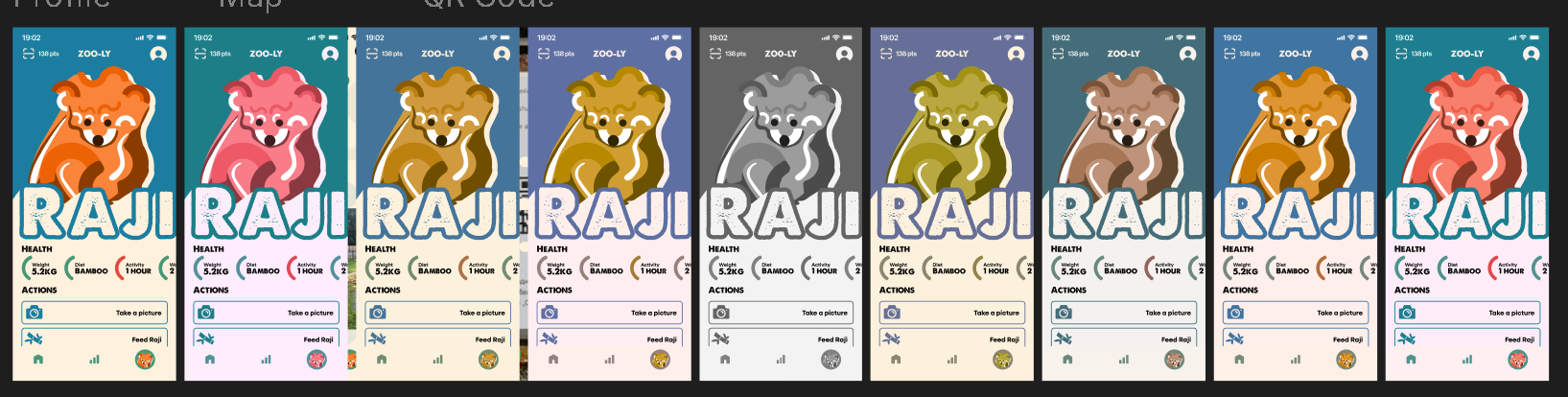
Color was a large part of promoting the product to a younger audience. Due to the amount of colors, there was a concern in clashing visual interest as well as ability to separate content. To fix this I used a plug-in on Figma to test contrast for different color visions.
Example

This is the first iteration of displaying the metrics. This was not usable as color blind individuals would not be able to see a difference.
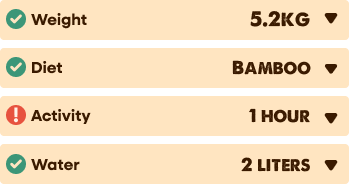
I decided to make icons that do not rely on color to communicate the meaning.
Final Solution
Still Screens & Prototype
Lessons Learned
Timeline
1 Month
Tools
- Figma
- After Effects
- Illustrator
Tools
- Figma
- After Effects
- Illustrator
View More Projects
Amped: Senior Capstone
UX, Marketing, Branding, Photography

Caledonia Airline Design System
Design System, Product, UX, Prototyping

Let’s get connected!
Work
Work
Sandbox
Sandbox
About Me
About Me
Resume
Zoo-ly App Design
Overview
A mobile app extending the zoo experience
Background
Seneca Zoo is a beloved destination among Rochester locals, yet it often goes unnoticed by newcomers to the area. This project aims to expand the zoo’s reach and attract a broader audience. Located in Seneca Park, Seneca Zoo already has strong local engagement. By developing a social media app centered on the zoo’s animals, the project encourages increased awareness and inspires more casual and repeat visits.
Timeline
1 Month
Tools
- Figma
- After Effects
- Illustrator
Deliverable
- Mobile Application
- User Flow Prototype
Challenge
Drive greater engagement and sustained interest in the Rochester Zoo using digital platforms
Goals
Justify the product being an app
Encourage returning users
Support educational opportunities
Extend the zoo experience digitally
Research
Seneca Park Zoo
Seneca Park Zoo in Rochester sits within historic Seneca Park, a popular spot for nature lovers. During my visit, I noticed limited digital engagement beyond the website. My project focuses on creating a member-based app to encourage visits and highlight the zoo’s conservation efforts.
Comparative Analysis
Create an interactive map of the zoo to guide the user to the animal.

Have the animals shown as “avatars” that the user can track the metrics of.

Include gamification to encourage the user to return to the app. Have a membership.
In future, the user can take care of multiple animals. I appreciate the layout of showing characters in a card-like structure.
User Personas
Adventurous Kid
Age 9
Student
Goals
- See and pet animals
- Get something from the gift shop
- Stay at the zoo for a long time
About
Finley loves learning new things and being in the moment. He loves his iPad but enjoys running around outside and exploring new places. He uses his daily apps, but cannot navigate new things quickly.
Priorities
Fun
Animals
Toys
Values
Creativity
Convenience
Education
Media Consumption
Outdoor Enthusiast
Age 27
Auditor
Goals
- Get her steps in!
- Go on a walk everyday at Seneca Park
- Leave work at work
About
Chelsea is an outdoor enthusiast who looks forward to her daily walk in Seneca Park. She enjoys activities that benefit both herself and others, seeking new experiences to balance her sedentary office job. She loves documenting her life through social media and blogs.
Priorities
Free-Time
Nature
Connecting
Values
Creativity
Convenience
Education
Media Consumption
Fun Parent
Age 45
Photographer
Goals
- Make his kid happy
- Get his kid off the iPad
- Heal his inner child
About
Ron is a young, single parent who loves his job for the time it allows him to spend with his child. He captures moments of his kid's life through photography and is always working to grow his brand while striving to maintain a balance for his personal life.
Priorities
Family
Work
Self-Growth
Values
Creativity
Convenience
Education
Media Consumption
Main User Journey
Scenario
Finley visits the zoo on a school field trip and is captivated by Raji, a playful Red Panda. Excited to learn more, he downloads Zoo-ly. Through the app, Finley follows Raji’s updates, like his eating habits and daily activities, and feels a growing connection to his new favorite animal.
Design Process
Starting to Design...
A big factor of this project was to appeal to a younger audience through illustrations
Visual Identity
Iterations
Addressing accessibility concerns
Color was a large part of promoting the product to a younger audience. Due to the amount of colors, there was a concern in clashing visual interest as well as ability to separate content. To fix this I used a plug-in on Figma to test contrast for different color visions.
Example
This is the first iteration of displaying the metrics. This was not usable as color blind individuals would not be able to see a difference.
I decided to make icons that do not rely on color to communicate the meaning.
Final Solution
Still Screens & Prototype
Lessons Learned
Timeline
1 Month
Tools
- Figma
- After Effects
- Illustrator
Tools
- Figma
- After Effects
- Illustrator
View More Projects
Amped: Senior Capstone
UX, Marketing, Branding, Photography

Caledonia Airline Design System
Design System, Product, UX, Prototyping

Let’s get connected!
Work
Work
Sandbox
Sandbox
About Me
About Me
Resume
Zoo-ly App Design
Overview
A mobile app extending the zoo experience
Background
Zoos are often a child’s first lasting memory. This project asks: what if that experience could continue beyond the visit? By translating the joy and wonder of the zoo into a digital format, the experience becomes living and ongoing.
Timeline
1 Month
Tools
- Figma
- After Effects
- Illustrator
Deliverable
- Mobile Application
- User Flow Prototype
Challenge
Drive greater engagement and sustained interest in the Rochester Zoo using digital platforms
Goals
Justify the product being an app
Encourage returning users
Support educational opportunities
Extend the zoo experience digitally
Research
Seneca Park Zoo
Seneca Park Zoo in Rochester sits within historic Seneca Park, a popular spot for nature lovers. During my visit, I noticed limited digital engagement beyond the website. My project focuses on creating a member-based app to encourage visits and highlight the zoo’s conservation efforts.
Comparative Analysis
Create an interactive map of the zoo to guide the user to the animal.
Have the animals shown as “avatars” that the user can track the metrics of.
Include gamification to encourage the user to return to the app. Have a membership.
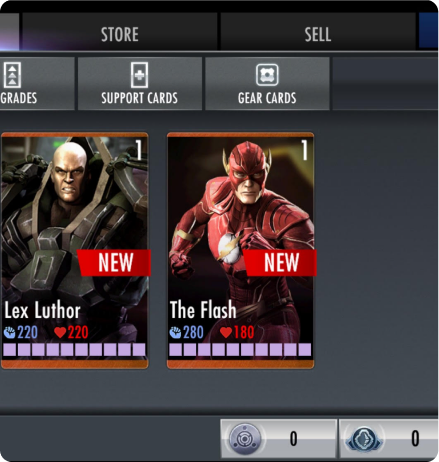
In future, the user can take care of multiple animals. I appreciate the layout of showing characters in a card-like structure.
User Personas
Adventurous Kid
Age 9
Student
Goals
- See and pet animals
- Get something from the gift shop
- Stay at the zoo for a long time
About
Finley loves learning new things and being in the moment. He loves his iPad but enjoys running around outside and exploring new places. He uses his daily apps, but cannot navigate new things quickly.
Priorities
Fun
Animals
Toys
Values
Creativity
Convenience
Education
Media Consumption
Outdoor Enthusiast
Age 27
Auditor
Goals
- Get her steps in!
- Go on a walk everyday at Seneca Park
- Leave work at work
About
Chelsea is an outdoor enthusiast who looks forward to her daily walk in Seneca Park. She enjoys activities that benefit both herself and others, seeking new experiences to balance her sedentary office job. She loves documenting her life through social media and blogs.
Priorities
Free-Time
Nature
Connecting
Values
Creativity
Convenience
Education
Media Consumption
Fun Parent
Age 45
Photographer
Goals
- Make his kid happy
- Get his kid off the iPad
- Heal his inner child
About
Ron is a young, single parent who loves his job for the time it allows him to spend with his child. He captures moments of his kid's life through photography and is always working to grow his brand while striving to maintain a balance for his personal life.
Priorities
Family
Work
Self-Growth
Values
Creativity
Convenience
Education
Media Consumption
Main User Journey
Scenario
Finley visits the zoo on a school field trip and is captivated by Raji, a playful Red Panda. Excited to learn more, he downloads Zoo-ly. Through the app, Finley follows Raji’s updates, like his eating habits and daily activities, and feels a growing connection to his new favorite animal.
Design Process
Starting to Design...
A big factor of this project was to appeal to a younger audience through illustrations
Visual Identity
Iterations
Addressing accessibility concerns
Color was a large part of promoting the product to a younger audience. Due to the amount of colors, there was a concern in clashing visual interest as well as ability to separate content. To fix this I used a plug-in on Figma to test contrast for different color visions.
Example
This is the first iteration of displaying the metrics. This was not usable as color blind individuals would not be able to see a difference.
I decided to make icons that do not rely on color to communicate the meaning.
Final Solution
Still Screens & Prototype
Lessons Learned
Timeline
1 Month
Tools
- Figma
- After Effects
- Illustrator
Tools
- Figma
- After Effects
- Illustrator
View More Projects
Amped: Senior Capstone
UX, Marketing, Branding, Photography
Caledonia Airline Design System
Design System, Product, UX, Prototyping

Let’s get connected!